![[{[item.product.name]}]]([{[item.product.photo.url]}] 75w)
Do bezpłatnej dostawy brakuje -,--
Podsumowanie zamówienia
Suma Netto 0,00 zł
Suma Brutto 0,00 zł
Cena uwzględnia rabaty


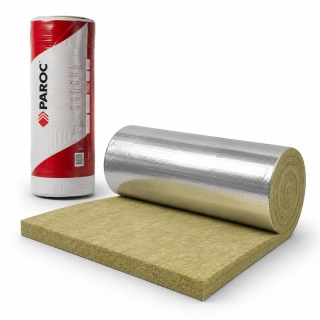
Izolacje techniczne – maty kauczukowe i maty lamelowe z wełny mineralnej
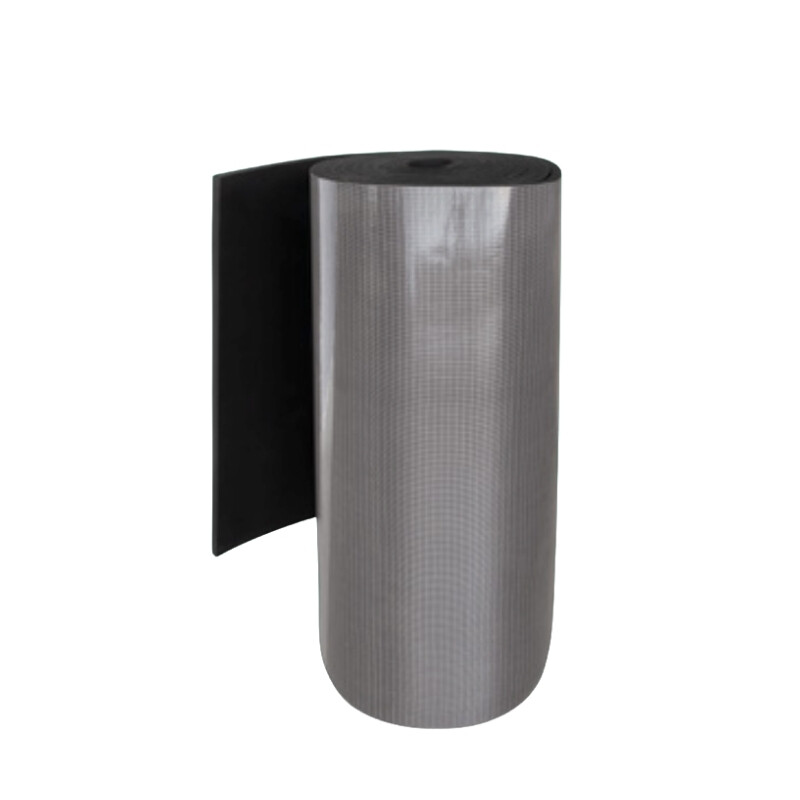
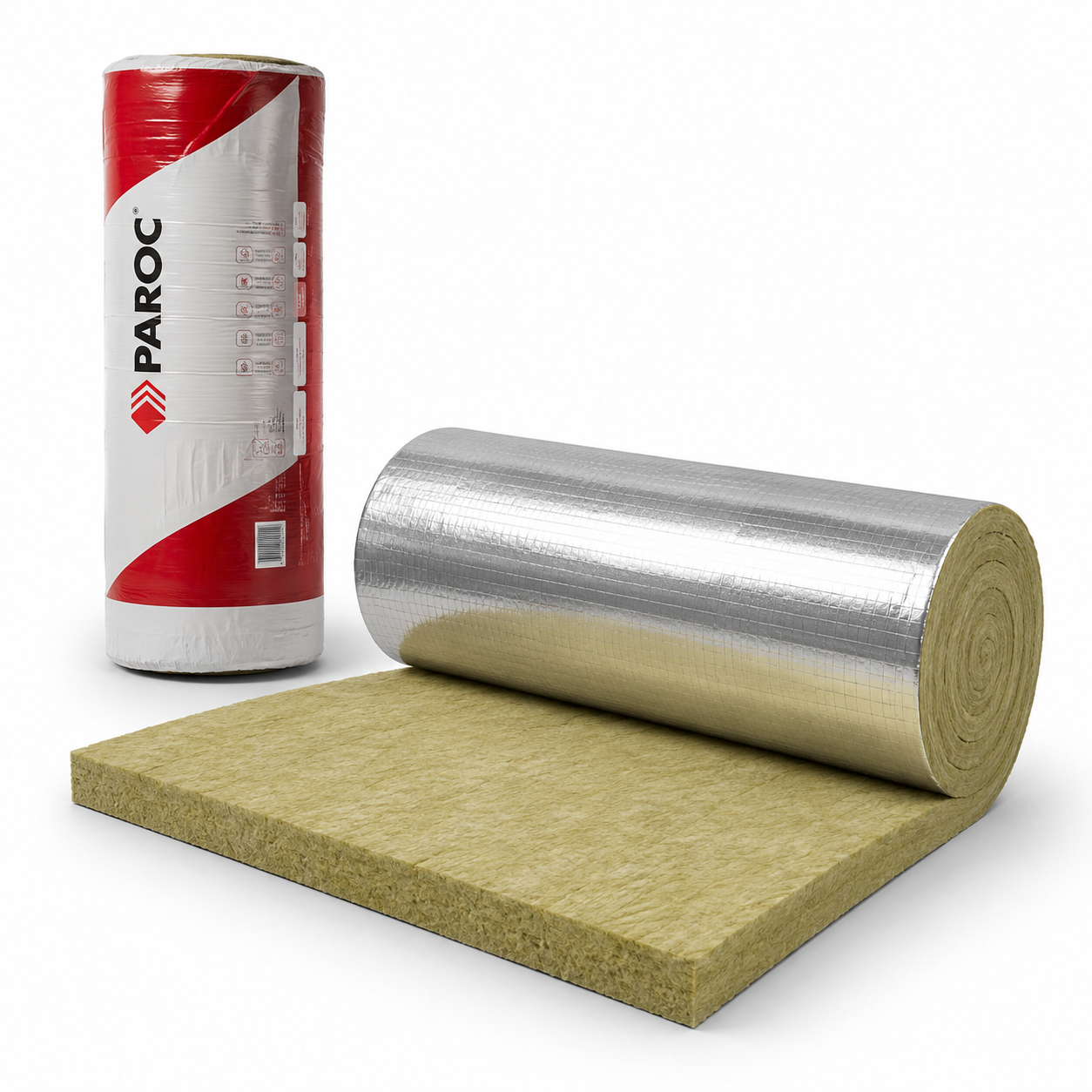
Izolacje techniczne to materiały ograniczające straty ciepła, zyski ciepła i kondensację pary wodnej na instalacjach wentylacyjnych, klimatyzacyjnych, chłodniczych oraz grzewczych. W tej kategorii znajdziesz dwa podstawowe rozwiązania matowe: maty kauczukowe FEF – elastyczne, paroszczelne, dedykowane instalacjom zimnym i chłodniczym, oraz maty lamelowe z wełny mineralnej – niepalne, odporne na wysoką temperaturę, stosowane na kanałach wentylacyjnych i rurociągach ciepłowniczych.
Co znajdziesz w kategorii izolacje techniczne
- maty kauczukowe (FEF) w rolkach, samoprzylepne i bez kleju, w grubościach od 6 do 50 mm,
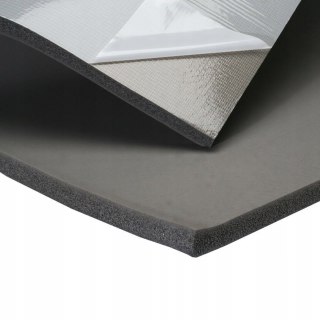
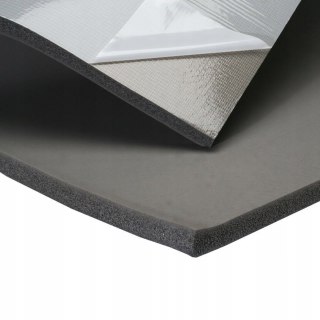
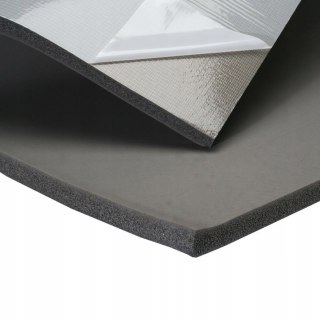
- maty kauczukowe z okładziną aluminiową do montażu zewnętrznego i na kanałach,
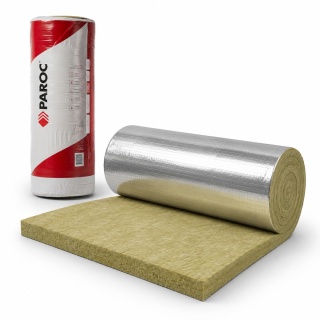
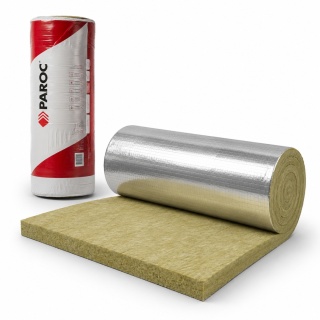
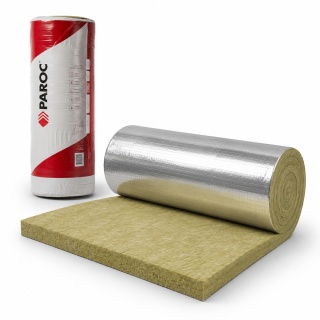
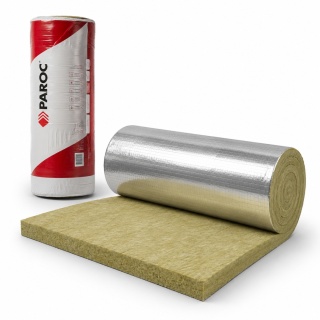
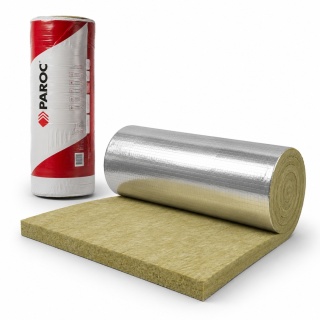
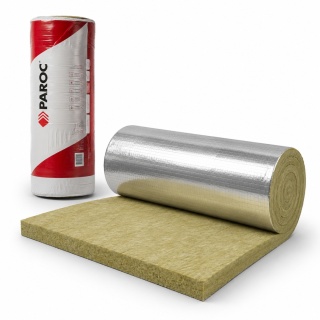
- maty lamelowe z wełny mineralnej z okładziną zbrojoną folią aluminiową (AluCoat),
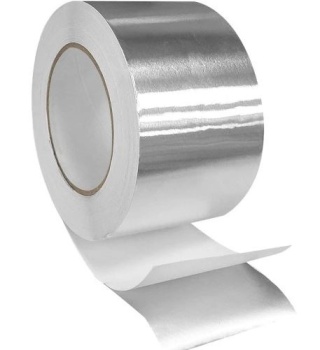
- akcesoria montażowe: kleje kontaktowe, taśmy kauczukowe i aluminiowe, izolacje otulinowe.
Maty kauczukowe FEF – izolacja paroszczelna do chłodu i klimatyzacji
Maty kauczukowe wykonane są z elastycznej pianki o zamkniętej strukturze komórkowej (FEF – Flexible Elastomeric Foam). Zamknięte komórki tworzą wbudowaną barierę paroszczelną, dzięki czemu materiał nie chłonie wilgoci i skutecznie zapobiega wykraplaniu się pary wodnej na zimnych powierzchniach.
Parametry techniczne mat kauczukowych
- współczynnik przewodzenia ciepła λ: ok. 0,033–0,036 W/(m·K) przy 0 °C,
- opór dyfuzyjny pary wodnej μ: ≥ 5 000 (najlepsze serie ≥ 10 000),
- zakres temperatur pracy: ok. −50 °C do +105/110 °C,
- reakcja na ogień: zwykle klasa BL-s3,d0 lub CL-s3,d0 wg EN 13501-1,
- struktura zamkniętokomórkowa, brak nasiąkliwości, wysoka elastyczność.
Zastosowanie mat kauczukowych
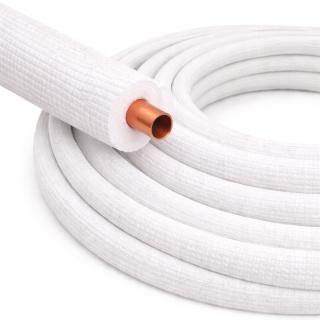
Instalacje freonowe i chłodnicze, rurociągi wody lodowej, kanały klimatyzacyjne, przewody zimnej wody użytkowej narażone na kondensację, izolacja akustyczna kanałów. Przy montażu na zewnątrz konieczna jest ochrona przed promieniowaniem UV: powłoka malarska, płaszcz z blachy lub mata z okładziną aluminiową.
Maty lamelowe z wełny mineralnej – izolacja niepalna i wysokotemperaturowa
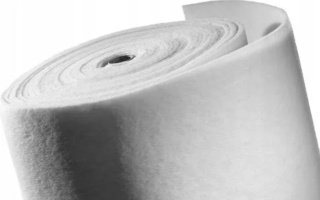
Mata lamelowa powstaje przez naklejenie prostopadle zorientowanych pasm (lameli) wełny mineralnej na okładzinę ze zbrojonej folii aluminiowej. Taki układ włókien zwiększa wytrzymałość na rozciąganie przy owijaniu rur o dużych średnicach i pozwala na szybki montaż bez cięcia materiału na segmenty.
Parametry techniczne mat lamelowych
- współczynnik λ: ok. 0,036–0,045 W/(m·K) w zależności od temperatury średniej,
- maksymalna temperatura pracy: do ok. 250 °C po stronie okładziny aluminiowej,
- reakcja na ogień: klasa A1 lub A2-s1,d0 – materiał niepalny,
- okładzina z folii aluminiowej zbrojonej siatką szklaną, z zakładką samoprzylepną,
- dobra izolacyjność akustyczna i pełna odporność biologiczna.
Zastosowanie mat lamelowych
Kanały wentylacyjne prostokątne i okrągłe, rurociągi centralnego ogrzewania i ciepłej wody użytkowej, instalacje przemysłowe, kotłownie, węzły cieplne, zbiorniki i kolektory. Mata lamelowa sprawdza się wszędzie tam, gdzie wymagana jest klasa niepalności i praca w podwyższonej temperaturze.
Mata kauczukowa czy lamelowa – porównanie
| Kryterium | Mata kauczukowa FEF | Mata lamelowa z wełny mineralnej |
|---|---|---|
| Główne zastosowanie | instalacje zimne, chłodnicze, klimatyzacja | instalacje ciepłe, wentylacja, przemysł |
| Bariera paroszczelna | wbudowana (struktura zamkniętokomórkowa) | tylko okładzina aluminiowa – wymaga szczelnego klejenia |
| Temperatura maksymalna | ok. +105/110 °C | do ok. +250 °C |
| Reakcja na ogień | BL-s3,d0 / CL-s3,d0 | A1 / A2-s1,d0 – niepalna |
| Odporność na wilgoć | bardzo wysoka, brak nasiąkliwości | wymaga ochrony przed zawilgoceniem |
| Montaż | klej kontaktowy lub wersja samoprzylepna | owijanie i zaklejanie zakładki, opcjonalnie spinki |
Jak dobrać grubość izolacji technicznej
Dla instalacji ciepłych minimalne grubości określa rozporządzenie w sprawie warunków technicznych (WT), przy referencyjnym λ = 0,035 W/(m·K). Przewody o średnicy wewnętrznej do 22 mm izoluje się warstwą 20 mm, od 22 do 35 mm – 30 mm, od 35 do 100 mm – warstwą równą średnicy wewnętrznej, powyżej 100 mm – 100 mm. Przewody prowadzone w podłodze lub w przegrodzie wewnętrznej wymagają połowy tych wartości.
Dla instalacji chłodniczych i wody lodowej grubość dobiera się z warunku braku kondensacji – decydują temperatura medium, temperatura i wilgotność względna otoczenia oraz opór dyfuzyjny materiału. W praktyce dla instalacji freonowych stosuje się 9–19 mm, dla wody lodowej najczęściej 19–32 mm, a w pomieszczeniach o wysokiej wilgotności grubości większe.
Montaż – dobre praktyki
- izolację nakładaj na czystą, suchą i odtłuszczoną powierzchnię, po próbie szczelności instalacji,
- wszystkie złącza i zakładki klej na całej długości – nieszczelność niweczy barierę paroszczelną,
- nie ściskaj materiału pod obejmami; stosuj wsporniki i podpory izolacyjne,
- maty kauczukowe montuj przy temperaturze zgodnej z zaleceniami producenta kleju,
- na zewnątrz budynku zabezpieczaj izolację przed UV i uszkodzeniami mechanicznymi.
Najczęściej zadawane pytania
Czy mata kauczukowa nadaje się do izolacji instalacji klimatyzacyjnej?
Tak, to podstawowe rozwiązanie dla klimatyzacji. Zamknięta struktura komórkowa stanowi barierę paroszczelną i zapobiega wykraplaniu wody na zimnych rurach freonowych oraz przewodach wody lodowej.
Czy wełna lamelowa może być stosowana na instalacjach chłodniczych?
Nie jest to zalecane. Wełna mineralna nie posiada własnej bariery paroszczelnej, a szczelność zależy wyłącznie od okładziny aluminiowej. Przy instalacjach zimnych ryzyko zawilgocenia i utraty parametrów izolacyjnych jest zbyt duże – lepszym wyborem jest mata kauczukowa.
Jaką grubość maty kauczukowej wybrać na rury freonowe?
W typowych instalacjach split i multisplit stosuje się grubość 9–13 mm. W pomieszczeniach o podwyższonej wilgotności oraz przy dłuższych trasach zewnętrznych zaleca się 19 mm z dodatkowym zabezpieczeniem przed UV.
Czy maty samoprzylepne wymagają dodatkowego kleju?
Warstwa samoprzylepna mocuje matę do podłoża, ale złącza czołowe i wzdłużne należy dodatkowo skleić klejem kontaktowym przeznaczonym do kauczuku. Zapewnia to ciągłość bariery paroszczelnej.
Czy izolacja z okładziną aluminiową może być montowana na zewnątrz?
Okładzina aluminiowa ogranicza wpływ promieniowania UV i poprawia estetykę, jednak przy długotrwałej ekspozycji zewnętrznej zaleca się dodatkowe zabezpieczenie płaszczem z blachy lub powłoką ochronną zgodnie z wytycznymi producenta.
Doradztwo techniczne i dostawa
Prowadzimy sprzedaż izolacji technicznych od 2002 roku. Pomożemy dobrać rodzaj i grubość materiału do konkretnej instalacji, przygotujemy wycenę na podstawie zestawienia lub projektu oraz zrealizujemy wysyłkę na terenie całej Polski.
Producenci