wyszukiwarka

slider
Ventilation ducts
Number of products : 259
Ventilation ducts – round SPIRO, flat and flexible
The ventilation duct is the road through which the air crosses between the draw, the device and the room – Its cross-section, tightness and geometry depend on whether the installation achieves design performance, how much power the fan will use and how loud it will work. In this category you will find over 250 item(s): SPIRO galvanized pipes 100–250 with a set of fittings, galvanized flat channels and PVC, aluflex flexible wires, SONODEC insulated wires, PUR polyurethane hoses, dampers, throttles, fire flaps and flanges. Prices from 4 zł, shipping from a warehouse in Kielce.
Subcategories – go right to the right group
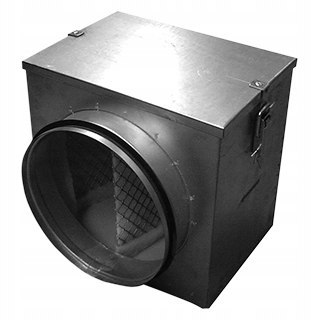
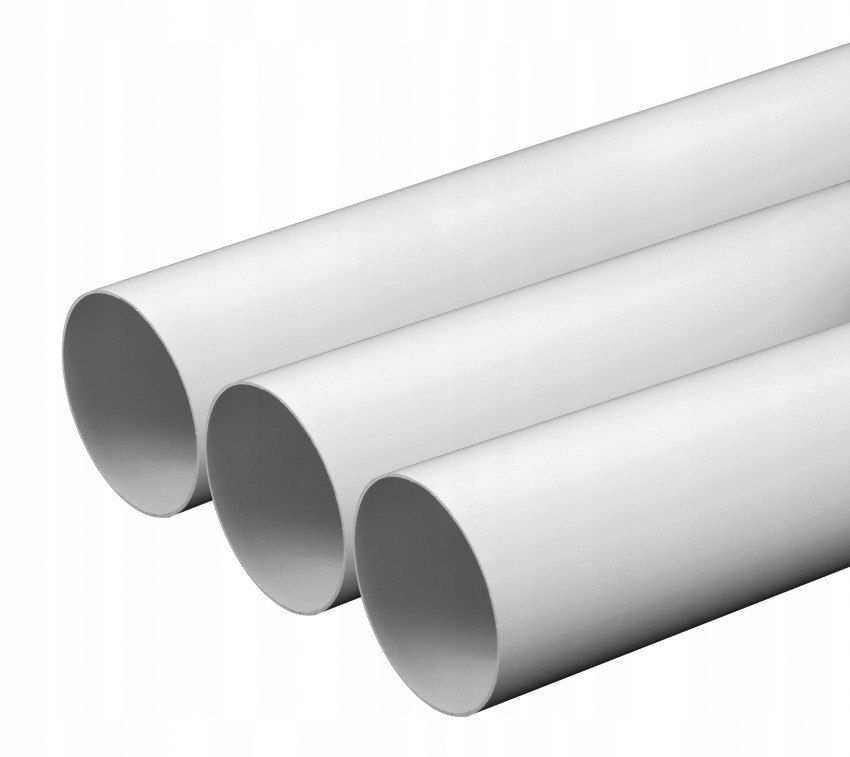
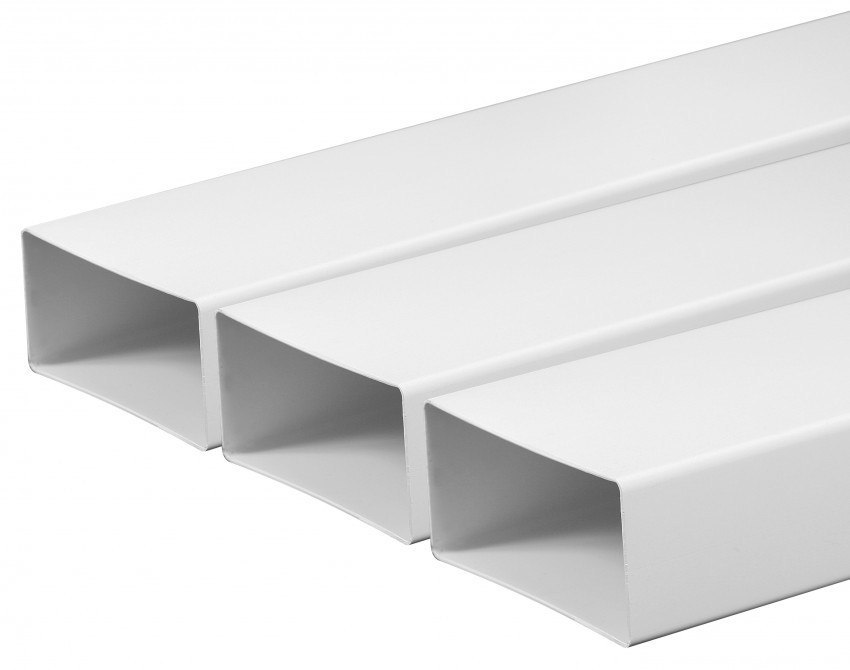
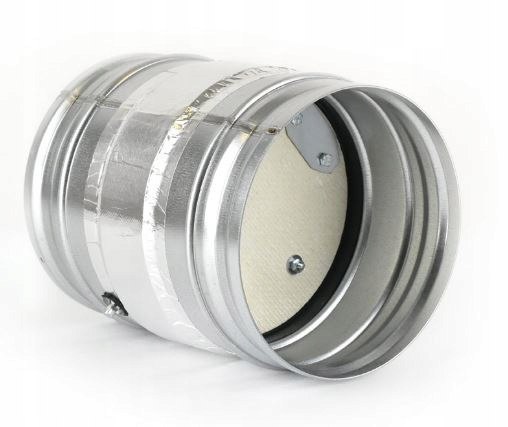
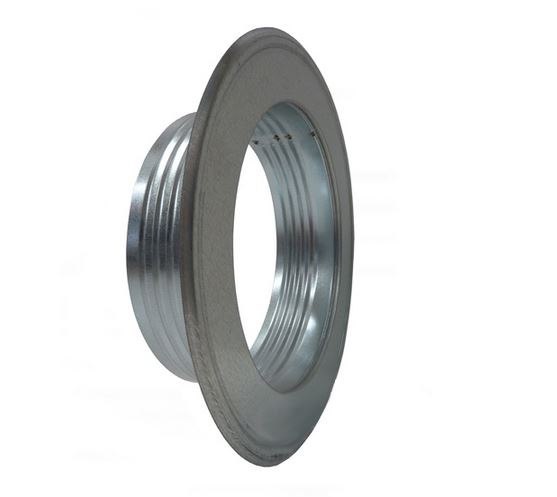
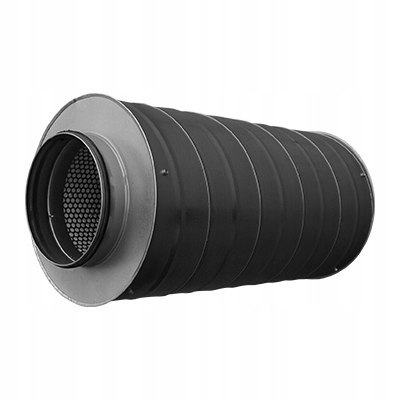
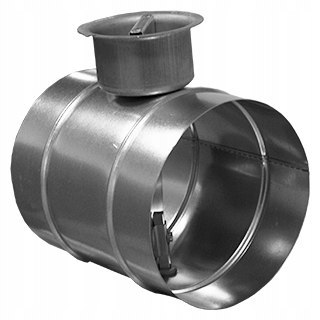
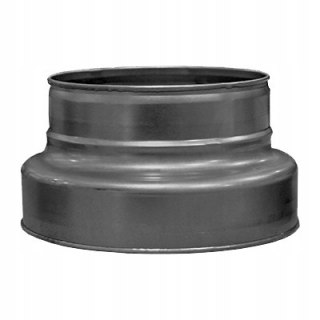
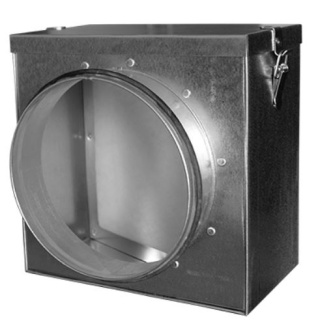
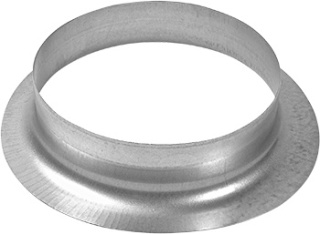
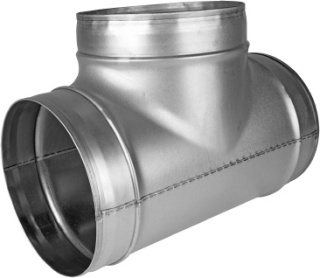
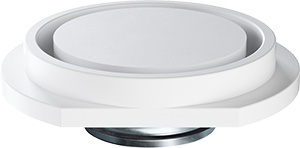
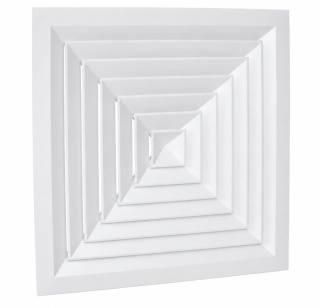
Spiro zinc round channels · Flat zinc channels · PCV Round Channels · Flat channels PVC · Flexible cables · Insulated flexible cables · Technical hoses · Silencers · Flexible silencers · Transmissions under the actuator · Fire flaps · ILR collars · Filters · Rosettes
What channel for what installation?
Shortest: round cross section is always more aerodynamically advantageous, and a flat channel is chosen when there is no room for a pipe.
| Application | Relevant channel | Why this |
|---|---|---|
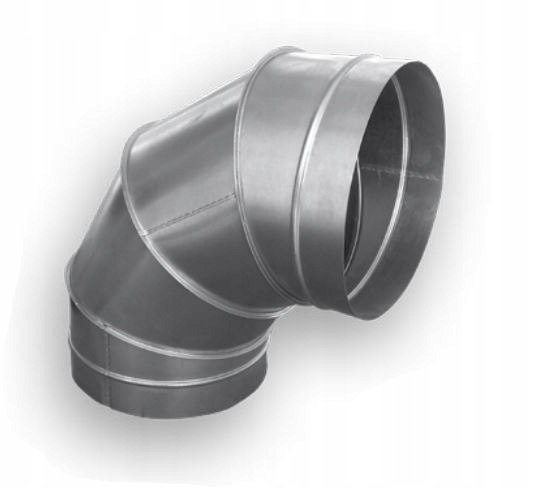
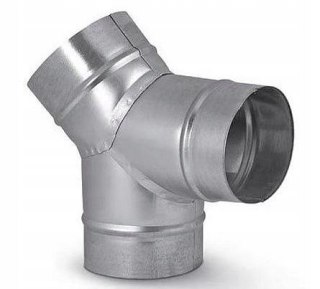
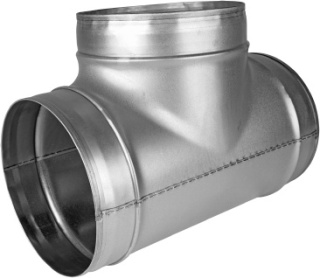
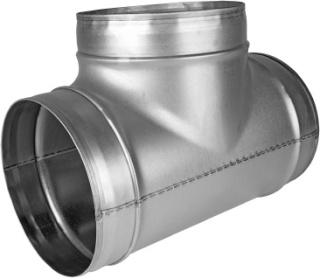
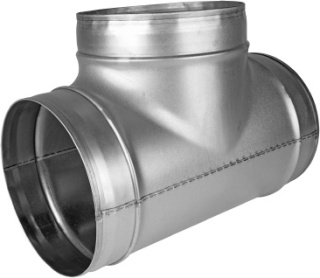
| Main routes of mechanical ventilation and recuperation | SPIRO pipe zinc fin 100–250 with fittings | The lowest flow resistance, rigidity, full knee system, triplers and reduction |
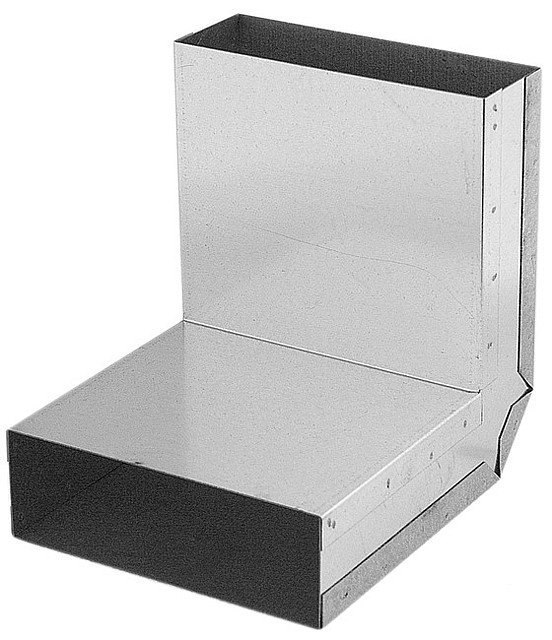
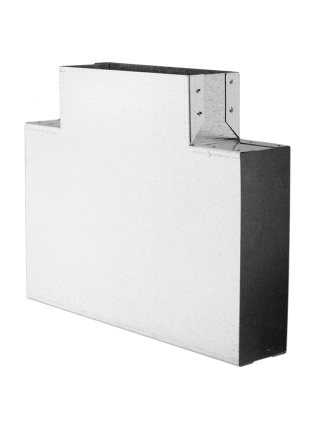
| Driving in a low-altitude ceiling | Flat channel zinc 150×50 or 200×90 or flat channel PVC 220×90 | It fits where the pipe does not enter – at the expense of higher resistance |
| Connection of the kitchen hood | PCV channel flat or round with complete fittings | Smooth interior, moisture resistance, easy installation in the building |
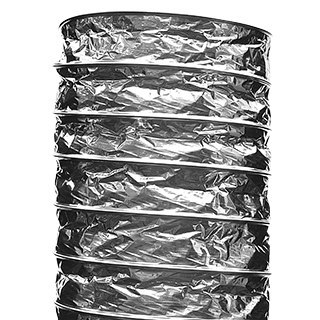
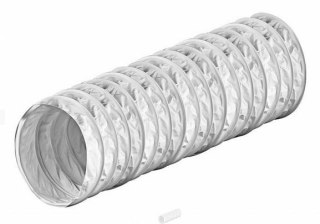
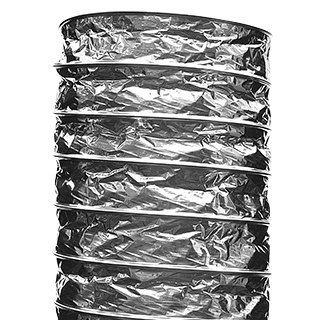
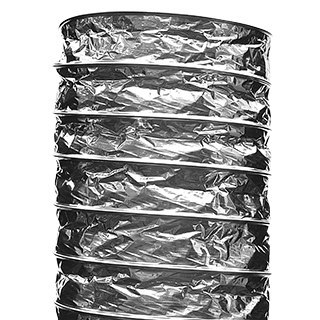
| Short connections, bypassing obstacles, an anemostat approach | Aluflex flexible wire | Installation without fittings – but only on short sections |
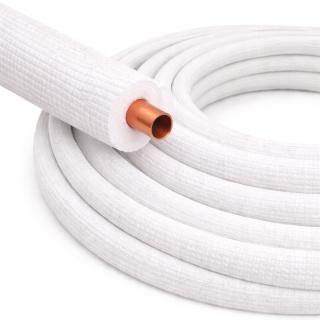
| Unheated attic sections, noise suppression | Insulated cable SOMODEC 50 fi 125 or fi 160 (10 m) | Wool layer reduces heat loss, condensation and sound transfer |
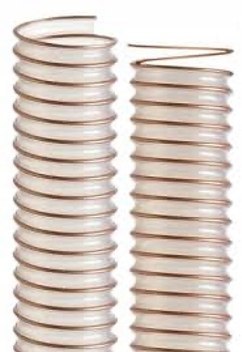
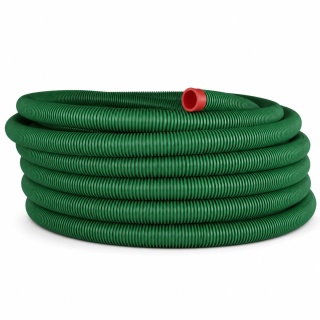
| Workshop lashings, dust and chips transport | Polyurethane hose PUR 0.6 mm fi 60-200 | Difficulty polyurethane withstands working with abrasive material |
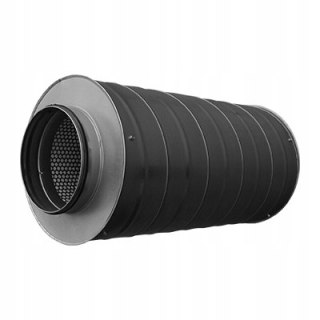
| Silence of the installation at the fan or control panel | Channel silencer or flexible silencer | Reduces noise at source before dispersing throughout the installation |
How to choose the diameter of the channel to flow?
The starting point is efficiency in m3/h and the adopted air speed. In home installations, about 3 m/s are taken in main channels and 2–2.5 m/s on branching – above 4-5 m/s the installation begins to noise. The following table shows the indicative flow for a speed of 3 m/s:
| Channel diameter | Indicative flow at 3 m/s | Typical use |
|---|---|---|
| fi 100 | Okay. 85 m3/h | Exhaust from the bathroom, toilet, point approach |
| fi 125 | approx. 130 m3/h | Branching in recuperation, kitchen |
| fi 150 | approx. 190 m3/h | Collective routes in a single family home |
| fi 160 | Okay. 215 m3/h | The most common diameter at home control panels |
| fi 200 | approx. 340 m3/h | Main channel, larger houses, gastronomy hoods |
| fi 250 | approx. 530 m3/h | Services and industrial installations |
You want to count it yourself? The area of the section in m2 is the flow in m3/h divided by the product 3600 and the speed in m/s. Example: 300 m3/h at 3 m/s gives 0.028 m2, or diameter approx. 188 mm – you choose the nearest larger commercial dimension, fi 200. The values in the table are indicative and do not replace the design of the installation.
Why doesn't the flex replace the SPIRO pipe
The flexible wire is comfortable, but Its crimp wall puts many times more resistance than a smooth pipe of the same diameter, and unstretched or waved flex can choke the flow by several dozen percent. And it's harder to clean. Therefore, treat it as a supplement: short approaches, connection to anemostat, compensation of installation inaccuracy. Lead the routes with SPIRO rigid pipes, and flex – if any – always extend to full length and lead without sharp fractures.
Installation – 6 rules that determine the outcome
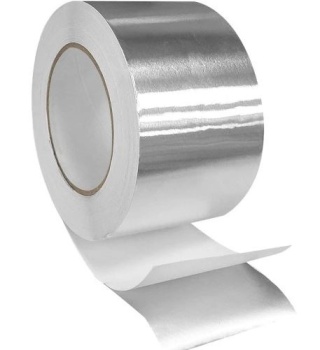
- Seal every connection. The leaky installation loses air in the ceiling instead of delivering it to the rooms – use flange seals and aluminum tapes.
- Reduce the number of knees. Every break is resistance; a gentle bow is always better than two 90° knees.
- Mount the knee at a distance from the fan, not directly on the shortcut – the affected stream on the inlet reduces the performance of the device.
- Isolate channels in unheated zones And all the canals and the launchers, otherwise the water was poured out on the sheet.
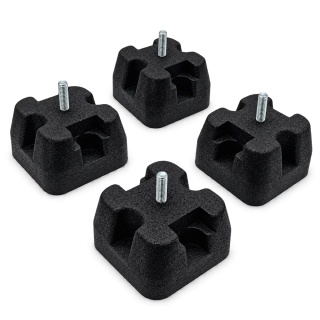
- Hang every approx. 1.5–2 m and always with the shape – wraps with a rubber insert so as not to carry vibrations to the ceiling.
- Plan a search. The installation, which cannot be cleaned, loses efficiency after a few years and becomes a source of pollution.
Complete entire installation
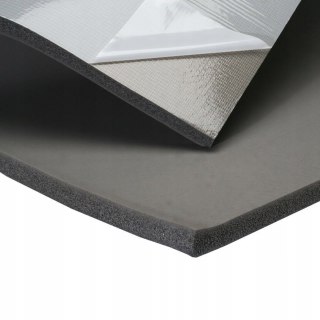
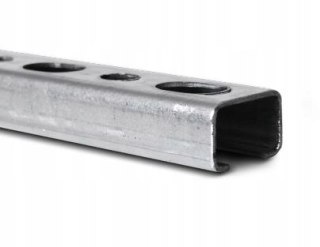
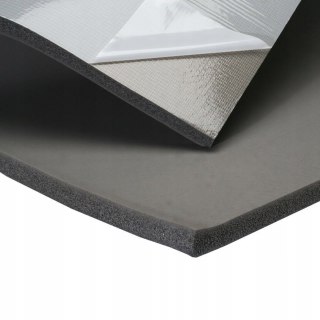
In the sewers you will choose a set of accessories: grips and handles, mounting profiles, straps and gaskets, Technical insulation, grates and anemostats, canal fans and Prefabricates for rectangular channels.
Why buy channels in Wentec
We keep the channels, fittings and mounting equipment in one wholesale warehouse with more than 2000 indexes, so you complete the entire route in one order – without waiting for the missing knee. We offer products from recognized producers, including Darco, Lindab, Aventa and DEC. We send in the whole of Poland, and in Kielce and Świętokrzyskie voivodship we transport the goods by our own transport, also in the case of orders. Send us a cast or a material list to info@wentec.pl or SMS on 606 376 838 We'll price the set.
The most common questions about ventilation ducts
Round or flat channel – what's better?
Aerodynamically always round – it has the most favorable cross-section-to-circular ratio, so less resistance and less noise. The flat channel is chosen when the building does not allow the pipe to be driven.
What kind of recuperation channel in a single-family house?
The most common SPIRO pipes are 150 or 160 on aggregate routes and 125 on branchings, with insulation of sections conducted by attics and canals of draws and launchers.
Do ventilation ducts have to be isolated?
Yes, anywhere where the temperature difference can cause condensation – in the attic, in the garage, on the sewers of the springs and launchers. Isolation also reduces heat loss and mutes the installation.
Why is there noise ventilation?
Most often because the air speed in the channel is too high – the channel has too small a section or the installation has too many breakdowns. Helps increase the diameter, simplify the route and mount the silencer.
How many meters of flex can you use on one episode?
The less the better – flex is used for short approaches, usually up to a few meters. Always stretch it to full length and avoid sharp arches, because a wavy wire can drastically reduce flow.