![[{[item.product.name]}]]([{[item.product.photo.url]}] 75w)




Wentylator centralny Awenta CVU400HT 415m3 512Pa
Symbol: 8140792438
Wentylator centralny Awenta CVU400HT 415m3 512Pa • Sprawdź szczegóły.
Dostępność: Duża dostępność 891 szt.
Cena: 959.00
Cena: 959.00
Do bezpłatnej dostawy brakuje -,--
Suma Netto 0,00 zł
Suma Brutto 0,00 zł
Cena uwzględnia rabaty

Symbol: 8140792438
Wentylator centralny Awenta CVU400HT 415m3 512Pa • Sprawdź szczegóły.
Dostępność: Duża dostępność 891 szt.
Cena: 959.00
Cena: 959.00
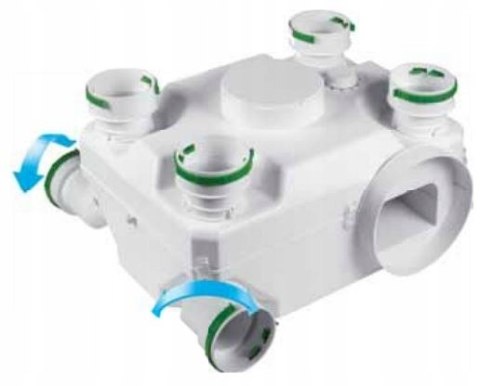
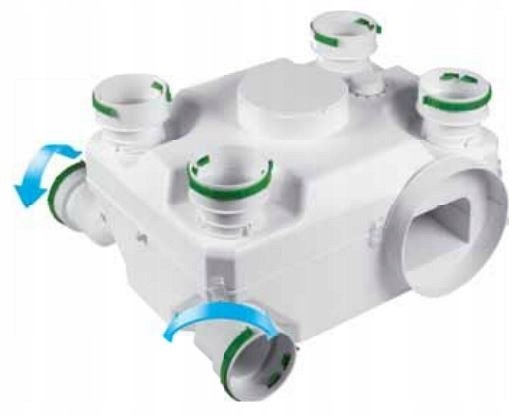
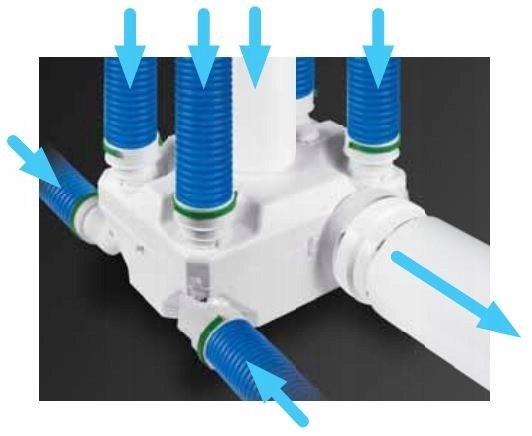
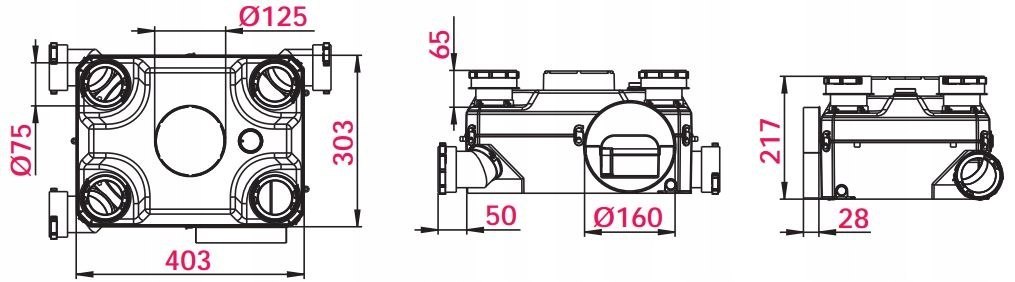
Wentylator centralny CVU400 przeznaczony jest do ciągłej i cichej wentylacji wielu pomieszczeń jednocześnie. Stosowany może być w domach jednorodzinnych oraz mieszkaniach w budownictwie wielorodzinnym, a także w salach konferencyjnych, gabinetach jak również budynkach użyteczności publicznej. Urządzenie jest wyposażone w energooszczędny 3-biegowy silnik o dużej wydajności. Jego konstrukcja pozwala na podłączenie aż 7 kanałów dolotowych o średnicy Ø75 mm oraz jednego kanału Ø125 mm przeznaczonego do podłączenia okapu kuchennego. CVU400 występuje również w wersji z higrostatem, który automatycznie dopasowuje wydajność wentylatora w zależności od wilgotności powietrza. Trzecia wersja wyposażona jest w higrostat oraz czujnik CO2 kontrolujący jakość powietrza poprzez pomiar lotnych substancji organicznych. Prosta konstrukcja urządzenia umożliwia jego szybką instalację i konserwację (czyszczenie) bez użycia skomplikowanych narzędzi. Wentylator centralny jest innowacyjnym produktem ze względu na uniwersalne dostosowanie kierunków podłączenia kanałów wentylacyjnych. Takie rozwiązanie umożliwi dowolną konfigurację kierunków przyłączy na etapie montażu, dostosowaną do indywidualnych potrzeb użytkownika. Konstrukcja wentylatora centralnego CVU umożliwia zamontowanie go na ścianie i suficie w pozycjach poziomej oraz pionowej.
Ogólne zasady bezpieczeństwa dotyczące wentylatorów mechanicznych do wentylacji budynków
Wentylatory mechaniczne to kluczowy element systemów wentylacji mechanicznej w budynkach mieszkalnych, komercyjnych i przemysłowych. Ich prawidłowy montaż, eksploatacja i konserwacja mają kluczowe znaczenie dla bezpieczeństwa użytkowników, wydajności systemu oraz trwałości urządzenia.
Zasady bezpiecznego użytkowania i montażu
Montaż wyłącznie przez wykwalifikowany personel
Wentylator mechaniczny powinien być instalowany przez osoby posiadające odpowiednie uprawnienia elektryczne i doświadczenie w montażu systemów wentylacji mechanicznej.
Prawidłowa lokalizacja montażu
Urządzenie powinno być zamontowane zgodnie z projektem instalacji oraz dokumentacją producenta.
Należy zachować bezpieczną odległość od źródeł ciepła, ognia, instalacji gazowych i materiałów łatwopalnych.
Bezpieczne podłączenie elektryczne
Instalacja elektryczna musi być wykonana zgodnie z obowiązującymi normami i wymaganiami producenta.
Wentylator powinien być podłączony do odpowiednio zabezpieczonego obwodu elektrycznego z prawidłowym uziemieniem.
Wszelkie prace serwisowe lub instalacyjne należy wykonywać przy odłączonym zasilaniu.
Ochrona przed wilgocią i pyłem
Stosuj wentylatory zgodnie z ich przeznaczeniem – modele do pomieszczeń wilgotnych muszą posiadać odpowiedni stopień ochrony IP.
Nie montuj wentylatorów w miejscach, gdzie występuje ryzyko zalania wodą, chyba że zostały do tego przystosowane.
Prawidłowe mocowanie urządzenia
Urządzenie musi być zamontowane stabilnie, aby zapobiec wibracjom, hałasowi i możliwym uszkodzeniom mechanicznym.
W przypadku wentylatorów sufitowych lub dachowych należy stosować dodatkowe zabezpieczenia antywibracyjne.
Zapewnienie swobodnego przepływu powietrza
Nie zasłaniaj wlotów ani wylotów wentylatora.
Regularnie sprawdzaj drożność kanałów wentylacyjnych, aby uniknąć przeciążenia silnika.
Potencjalne zagrożenia
Porażenie prądem elektrycznym – wynikające z nieprawidłowego podłączenia, uszkodzeń przewodów lub braku uziemienia.
Przegrzanie silnika – spowodowane brakiem drożności kanałów wentylacyjnych lub blokadą wirnika.
Ryzyko pożaru – w przypadku montażu wentylatora w pobliżu materiałów łatwopalnych lub w nieprzystosowanych środowiskach.
Hałas i wibracje – nieprawidłowy montaż może prowadzić do nadmiernego hałasu oraz uszkodzeń konstrukcji budynku.
Spadek jakości powietrza – błędnie dobrany wentylator może skutkować niewystarczającą wymianą powietrza, co negatywnie wpływa na zdrowie użytkowników.
Konserwacja i przeglądy
Regularnie czyść wentylator z kurzu, pyłów i innych zanieczyszczeń, aby utrzymać jego wydajność.
Sprawdzaj stan przewodów elektrycznych, połączeń i wirnika.
Wykonuj okresowe przeglądy techniczne zgodnie z zaleceniami producenta.
W przypadku wykrycia nieprawidłowości, takich jak nadmierny hałas, wibracje, zapach spalenizny lub problemy z działaniem urządzenia – odłącz zasilanie i skontaktuj się z autoryzowanym serwisem.
Podsumowanie
Wentylatory mechaniczne to niezawodne urządzenia, które zapewniają prawidłową cyrkulację powietrza w budynkach, ale wymagają prawidłowego montażu i eksploatacji.
Przestrzeganie powyższych zasad bezpieczeństwa minimalizuje ryzyko awarii, zwiększa efektywność systemu wentylacyjnego i wydłuża żywotność urządzenia.