![[{[item.product.name]}]]([{[item.product.photo.url]}] 75w)
For free delivery are missing -,--
Order Summary
Sum NET 0,00 €
Sum Gross 0,00 €
Price includes discounts

wyszukiwarka

Recuperation
Number of products : 52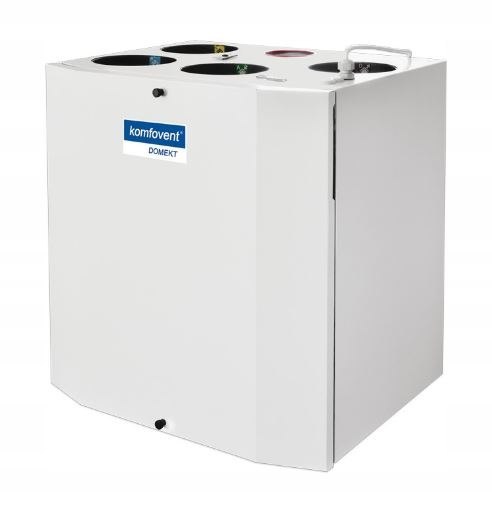
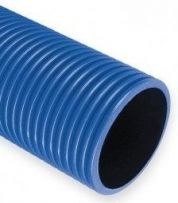
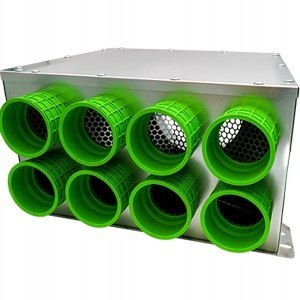
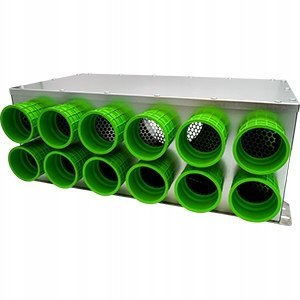
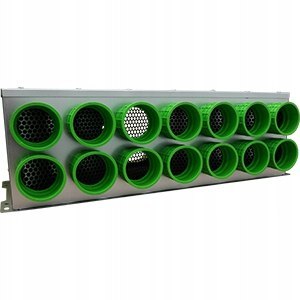
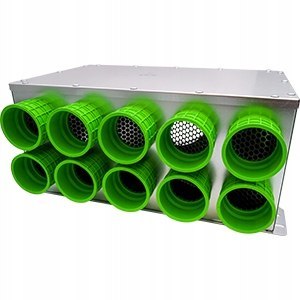
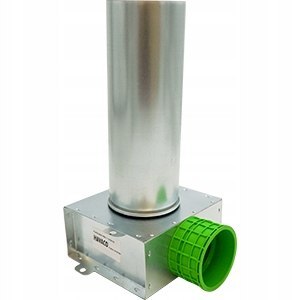
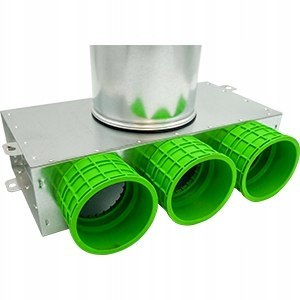
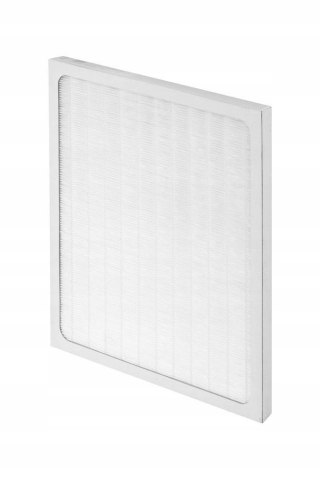
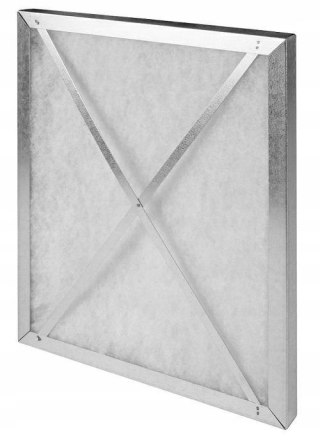
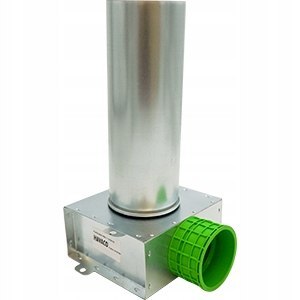

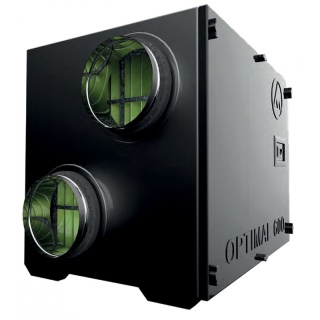
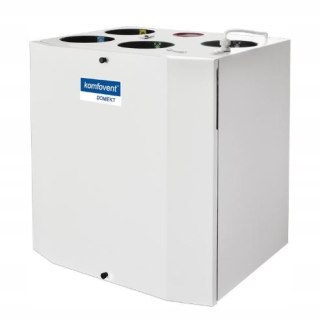
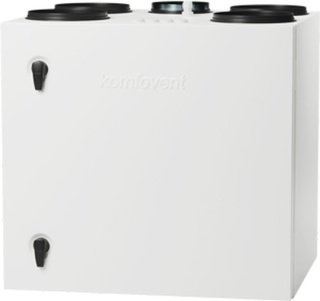
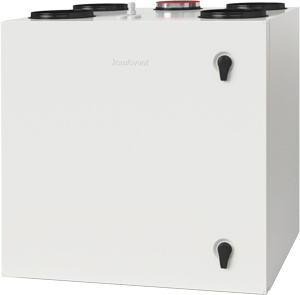
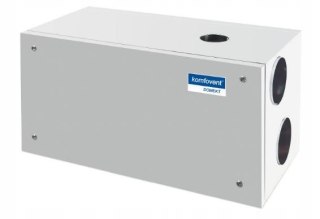
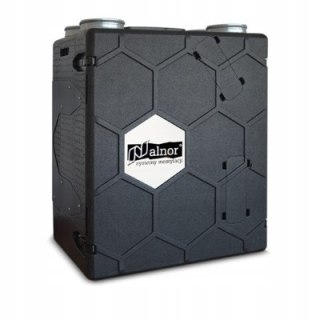
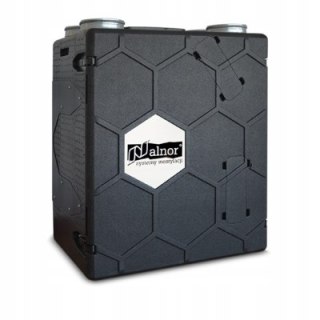
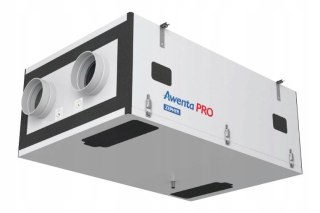
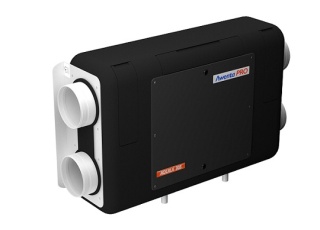
Recuperation – control panels, wall recuperators and filters
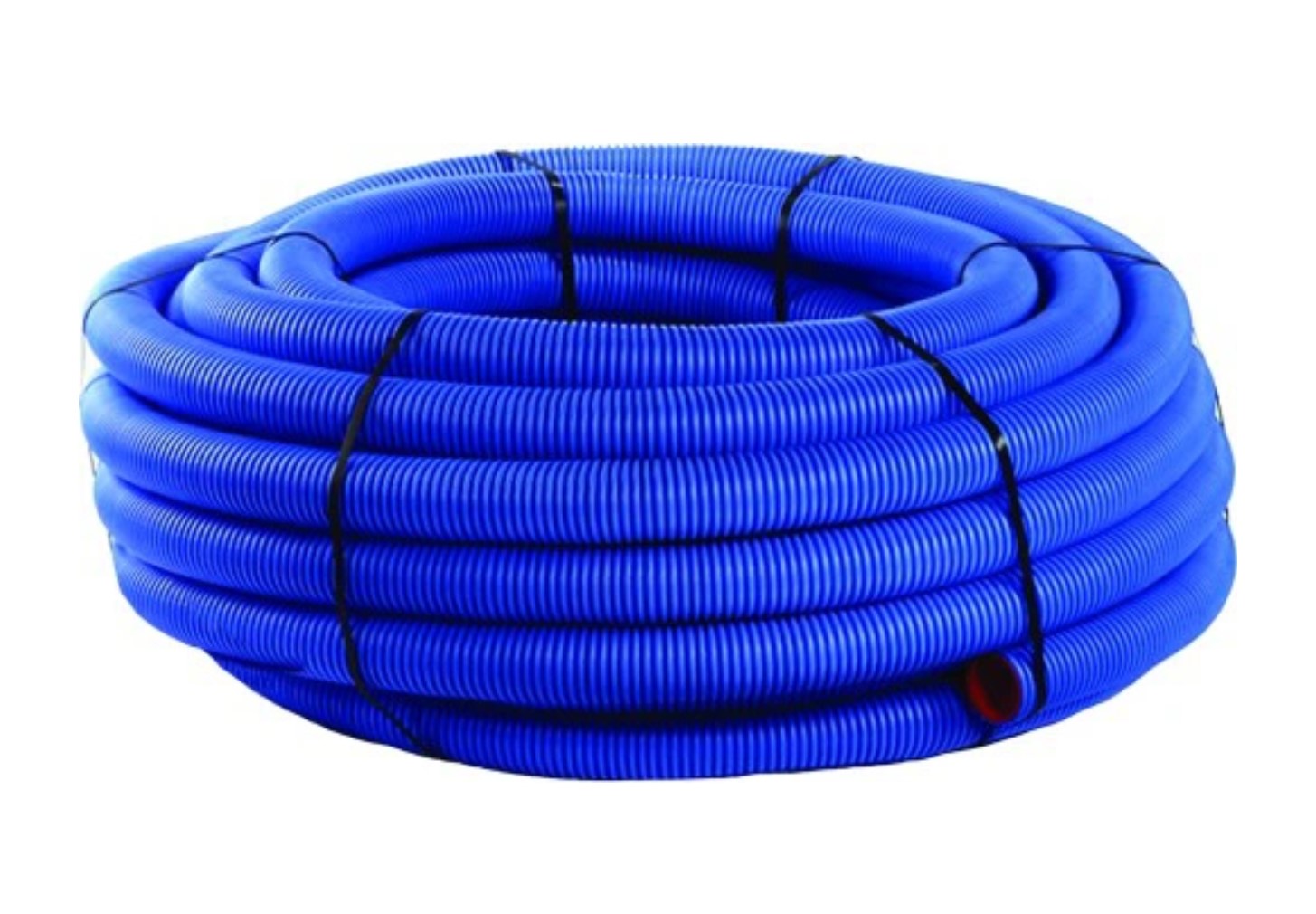
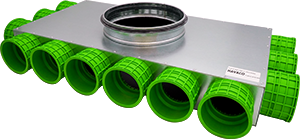
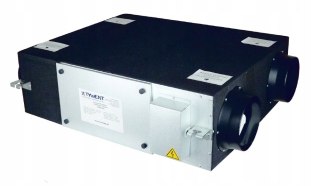
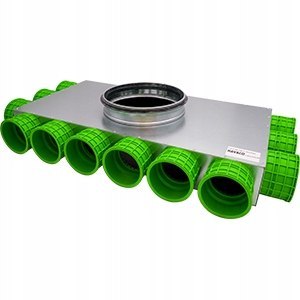
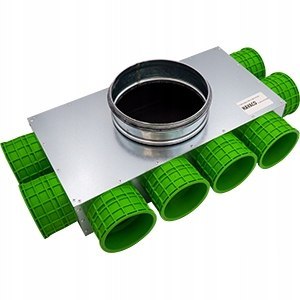
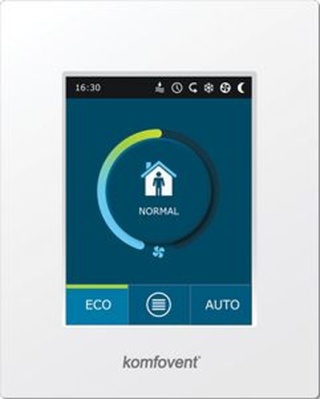
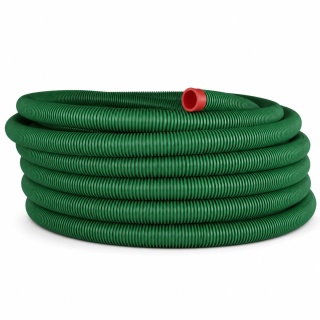
Recuperation is mechanical ventilation with heat recovery: air removed from the building gives heat to fresh air without mixing with it. The exchanger transmits heat through the wall, so that in winter the air pre-heated enters the interior. In this category you will find over 50 items: Recuperative panels Komfovent DOMEKT, Aventa (Zephyr, Aquila, Auros), Alnor HRU-PremAir, Tywent and Optimal, single-tube wall recuperators, FLEXO BOX PRO distribution system, 75 cables, throttles, drivers and M5 and F7 filters to the most popular central. Shipping from a warehouse in Kielce.
Subcategories – go right to the right group
Recaptors · Komfovent DOMEKT · Aventa PRO · Single tube wall recuperators · FLEXO BOX PRO system · Mounting accessories · Recaptors filters · Domekt control panel filters
Central or wall recuperator – what to choose?
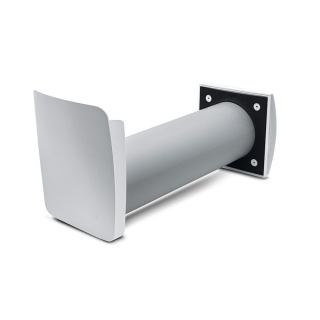
This is the first decision, because both roads have a very different scope of work. Recuperation centre is one device that serves the whole building through the distributed installation of channels – the target solution for a single family home, planned best at the construction stage. Wall recuperator (single-tube, decentral) It is mounted in a well in the outside wall of a single room; it does not require a canal installation, so it works in dwellings, renovations and buildings where it is impossible to run canals. The price of the entrance starts with several hundred zlotys per wall unit and several thousand per central unit.
How to choose the efficiency of the control panel?
Recuperator performance results from sum of air streams from the kitchen, bathroom and toilet – the same as defined in standard PN-83/B-03430. The result is compared to the building's cubature and takes a higher value and then adds 20–30% of the reserve, because the catalogue efficiency is given at low spring.
| Home surface | Indicative efficiency of the control panel |
|---|---|
| up to 100 m2 | approx. 250-300 m3/h |
| 100-150 m2 | approx. 300-400 m3/h |
| 150-200 m2 | approx. 400-500 m3/h |
| 200-250 m2 | approx. 500-600 m3/h |
Example: 140 m2 house with kitchen (70 m3/h), two bathrooms (2 × 50 m3/h) and a separate toilet (30 m3/h) gives 200 m3/h exhaust. With a reserve on the resistance of the installation comes the control unit with a capacity of about 300–400 m3/h, working in medium gear. The selectable device must work at maximum speeds – it is louder and consumes more power than a larger mid-speed model. The indicative values do not replace the design of the installation.
Cross exchanger, countercurrent or rotary?
Cross – the simplest, streams intersect at right angles; cheaper, with lower recovery efficiency. Countercurrent – air flows in opposite directions on a long stretch, which gives the highest temperature efficiency and dominates the home headquarters today. Rotary – Rotating rotor transmits heat, and in the entalpic version also some moisture, so in winter the air at home does not become excessively dry. The efficiency of heat recovery of modern anti-current exchangers reaches 80-90%, but this is the efficiency of the exchanger, not the percentage of savings on the whole heating bill – the real share of ventilation losses in the building's balance sheet is lower.
Filters – the most important component of operation
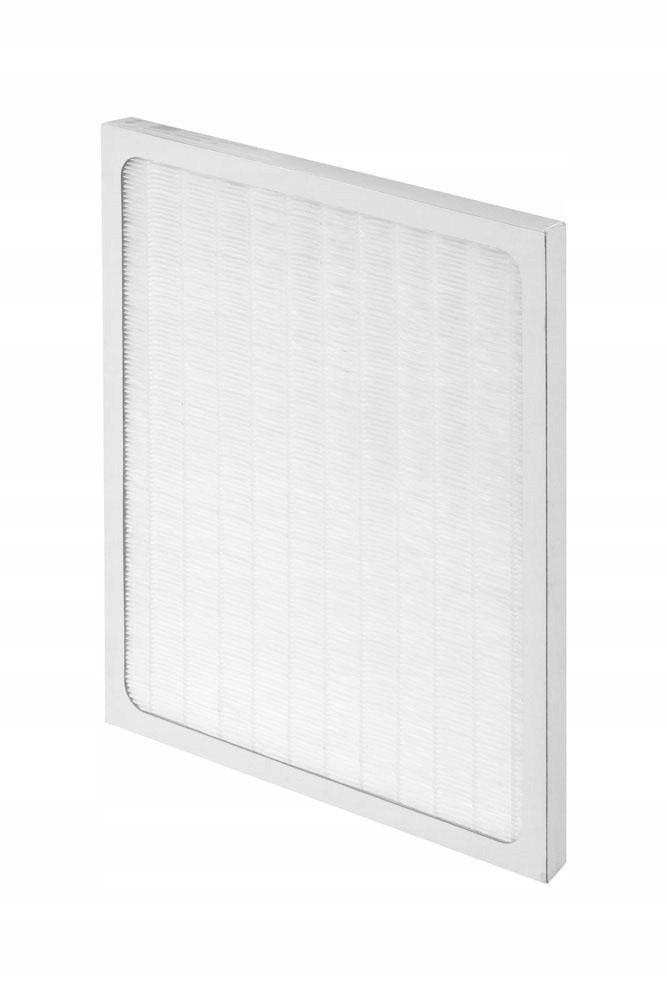
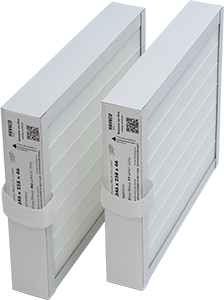
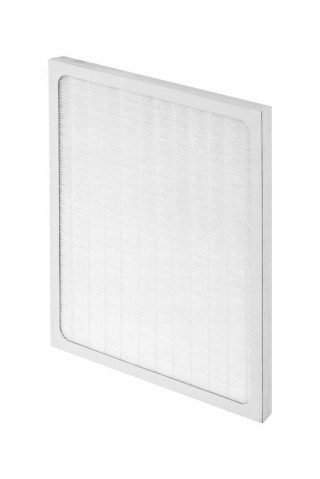
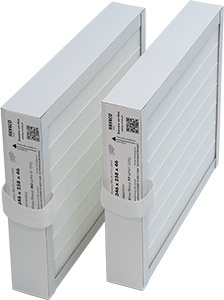
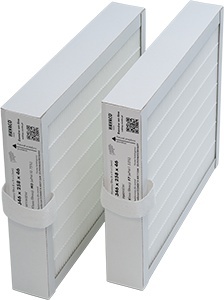
There are usually two filters in the control panel: M5 in the exhaust, protecting the exchanger, and F7 in the air, stopping pollen and fine dust suspended. They are usually exchanged twice a year, and in the dust season and on a busy street more often. The neglected filter is lower performance, louder fan operation, higher power consumption and a real risk of dirtying the exchanger, whose cleaning is already a more serious operation. On offer we have sets for the control panels Komfovent DOMEKT in dimensions 290×205×46 to 540×260×46 mm and filters for the Aventa Zephyr series.
Installation and operation – 6 rules
- Check the shortcut page before ordering. Centrals are in left and right versions – switching means the problem with the installation.
- Isolate drains and launchers and all sections in non-heated zones – otherwise water was poured out on the sheet.
- Ensure discharge of condensers from the control panel with the siphon; a significant amount of heat is produced when the heat is recovered.
- Ensure flow between rooms – door cuts or flow grates. Without them, the air won't make it from the room to the exhaust.
- Adjust installation after startup. Anemostats and throttles are set so that streams agree with the project – without it, one room is ventilated, another room is not.
- Enjoy your summer pass. On warm nights it bypasses the exchanger and allows the building to cool with colder outdoor air.
Complete Installation
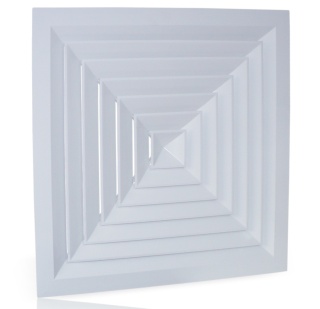
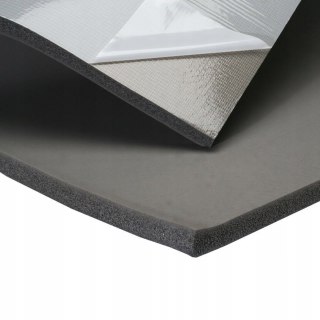
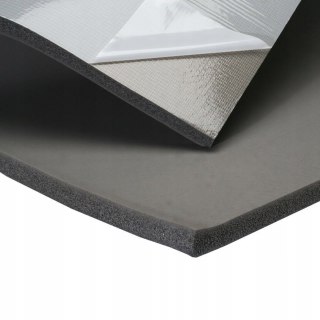
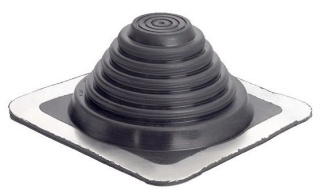
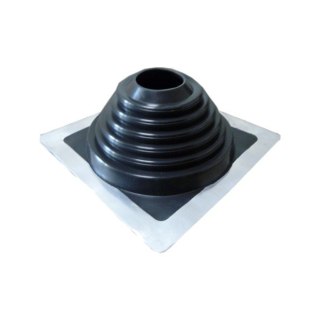
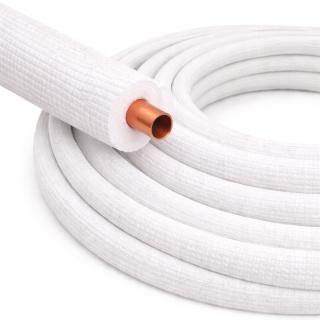
You can pick up the rest of the system at headquarters: ventilation ducts and insulated pipes, anemostats and valves, take and launchers, silencers, Technical insulation, Embrace and assembly straps.
Why Buy Recuperation in Wentec
We are an authorized distributor of the Komfovent central unit and we operate a warehouse of ventilation technology with more than 2000 indexes, so the control panel, distribution and fittings are completed in one order – including filters for subsequent seasons. We send in the whole Poland, and in Kielce and Świętokrzyskie voivodship we deliver the goods by our own transport. Send the building or list of rooms to info@wentec.pl or SMS on 606 376 838 – we will help you select performance and complete the material.
The most common questions about recuperation
Can recuperation be mounted in an existing home?
The central installation requires running channels, so in a finished building it can be difficult. The alternative are single-tube wall recuperators mounted in a well in the outer wall of single rooms – without channel distribution.
How often do you replace filters in a recuperator?
Usually twice a year, and during a dusty period or on a busy street more often. Dirty filter reduces performance, increases noise and energy consumption by fans.
Do you have to brick up the gravity grids for recuperation?
Gravity ducts are closed so that mechanical ventilation works properly and does not lose air. The decision and the method of execution should be agreed with the designer or chimney sweeper, especially when the building has open combustion chamber equipment.
Does the recuperator cool in the summer?
It does not replace air conditioning. In summer, the by-pass function that bypasses the exchanger and allows to air cooler air at night helps, but the recuperator does not lower the temperature like the refrigeration system.
How is the left-to-right version different?
On the side of the connection terminals of the control panel. The version is adapted to the way the installation is conducted in the technical room – it is worth to determine this before the order, because it is not possible to replace pages.
Manufacturers